
A kayak rack isn’t just about convenience, it’s about keeping your boat safe, your space tidy, and your gear ready for adventure. Whether you store your kayak in the garage, outside next to the house, or on a dock by the water, the right rack makes a huge difference in protecting your investment from warping, UV damage, and plain old clutter.
In this guide, we’ll walk you through the best storage racks for a wide range of needs, spaces, and kayak types. From freestanding towers to wall-mounted arms and foldable solutions, there’s something here to fit almost every storage scenario.
What to Know Up Front
Before you grab just any rack that promises “universal kayak storage,” pause for a second. Kayaks come in wildly different shapes and weights—what works for a lightweight sit-in kayak may not suit a bulky tandem sit-on-top.
Also consider where the rack will live. Outdoor racks need rust-resistant materials and UV-stable padding. Indoor racks may benefit from foldability or stackability. And wall-mounted options require a solid anchor point.
Consider how often you’ll access the kayak. If it’s once per season, stability might matter more than ease of access. If you’re paddling every weekend, convenience rules.
So, What Should You Buy?
If you want a storage solution that protects your kayak and fits your available space—whether in a garage, basement, backyard, or boathouse—these are the racks worth checking out.
Best Overall Wall-Mounted Indoor/Outdoor Rack
No products found.
Best ceiling-mounted rack for garages
No products found.
Best wall rack for compact indoor storage
No products found.
Best Budget Wall Storage
No products found.
Best for Multiple Kayaks Overhead
No products found.
Prepping Your Kayak for Storage
Even the best rack won’t protect your kayak if you store it dirty or damp. Here’s what to do before racking it up:
- Clean it thoroughly: Rinse off salt, mud, sand, and algae with fresh water. Use mild soap if needed.
- Dry it completely: Let it air dry in the shade before storing to prevent mold or mildew.
- Loosen straps or bungees: Pressure points can warp your kayak over time. Loosen hatches and straps so nothing pulls tight while in storage.
- Plug or cover scupper holes: Especially for outdoor storage, this prevents bugs or moisture buildup.
- Store cockpit-side down or on its side: Avoid storing hull-side down for long periods—it can cause flattening.
Taking these small steps ensures your kayak stays ready for action and doesn’t degrade in the off-season.
A Focused Buyer’s Guide to Kayak Storage Racks
Indoor vs Outdoor Storage Needs
Your first consideration should be where the rack will live. Indoor racks don’t face weather exposure, so your options open up to include bare steel or folding wall arms. For outdoor setups, you’ll want materials like galvanized or powder-coated steel, aluminum, or cedar that resist rust and rot. Racks exposed to sun should have UV-stable padding or covers.
Rack Type and Capacity
Some racks cradle one kayak, others store six. Wall-mounted arms work well in tight indoor spaces, while freestanding racks dominate when you need to hold multiple boats. Hoist systems are ideal for garages with ceiling space. Think about the number of kayaks you need to store now—and in the future.
Installation Surface
Not all walls or ceilings can handle the load of a kayak. You’ll need solid wall studs or beams for anchors. For freestanding racks, make sure the ground is level and the rack has enough bracing to handle wind or weight.
Access and Frequency of Use
If you paddle weekly, a quick-lift solution is worth the investment. Hoists and high racks make sense for seasonal storage but can be a hassle for regular use. In that case, low wall racks or standing systems offer faster access without ladders.
Padding and Protection
Proper padding matters. Look for foam-wrapped arms, nylon cradle straps, or rubber bumpers to prevent dents and scratches. Even for indoor use, avoid bare metal-on-plastic contact.
- Wall racks should have thick padding on arms
- Freestanding racks should use suspended straps or cushioned cradles
- Avoid pressure on thin hull areas or cockpit rims
Material and Weather Resistance
Outdoor racks face UV rays, rain, snow, and critters. Choose:
- Cedar (for a natural look that resists rot)
- Powder-coated steel (great durability but heavier)
- Aluminum (lightweight and rustproof)
Indoor users can focus more on space-saving and less on weatherproofing, but still check weld quality and coating.
Security
If the rack will sit outdoors or in a shared space, consider:
- Lockable straps or arms
- Anchoring options (to ground or wall)
- Hidden or hard-to-remove hardware
Multi-Purpose or Expandable Design
Some racks allow additional tiers or can double as SUP or canoe storage. If you plan on adding watercraft or changing setups in the future, modular designs or universal arms can save you money long term.
Final Thoughts
The right kayak storage rack isn’t just a place to keep your boat—it’s part of a longer relationship with the water. Whether you’re maximizing garage space, organizing a rental fleet, or simply trying to avoid hull damage in the off-season, there’s a smart solution to match. Pick one that fits both your kayak and your lifestyle.
Frequently Asked Questions

Willem is an avid mountain biker and outdoor sports enthusiast. For years, he has been riding mountain bike stage races, including the grueling Cape Epic. As a father of three adventurous kids, he knows about packing a vehicle to haul his gear safely and responsibly from home to any exciting weekend or holiday destination.



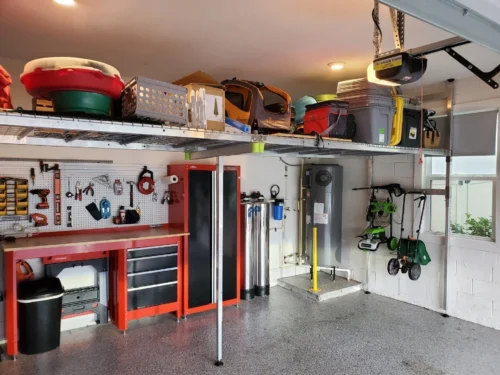

Who makes the kayak tack in the top photo? That’s the type I need!
Thanks,
D
Dee – not quite sure who made those, but wooden garage kayak storage racks are often the topic of DIY projects. Maybe try your hand at it?
Talic is the name of the brand. I got mine in the early 2000’s and still work and look great.
We are in the process of transitioning our boat lift to a platform that can store our kayak, SUP, and eventually a Wave Runner. Is there a kayak rack that can be bolted to the platform without hanging over the water? (We have little space between our lift and our neighbor’s lift). We are not interested in a free standing rack, which seems to be most common.
I am in need of kayak racks to store about 30 kayaks and SUP that would located beneath a club house and in need of an outdoor Tree to store 8 boats. Can you be of assistance.